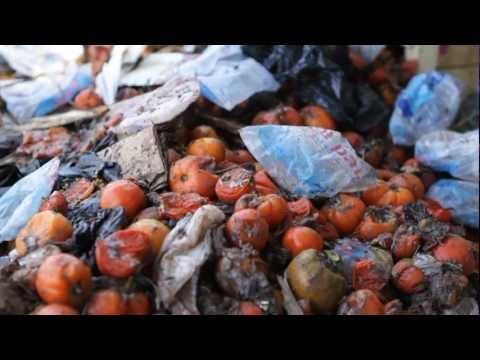
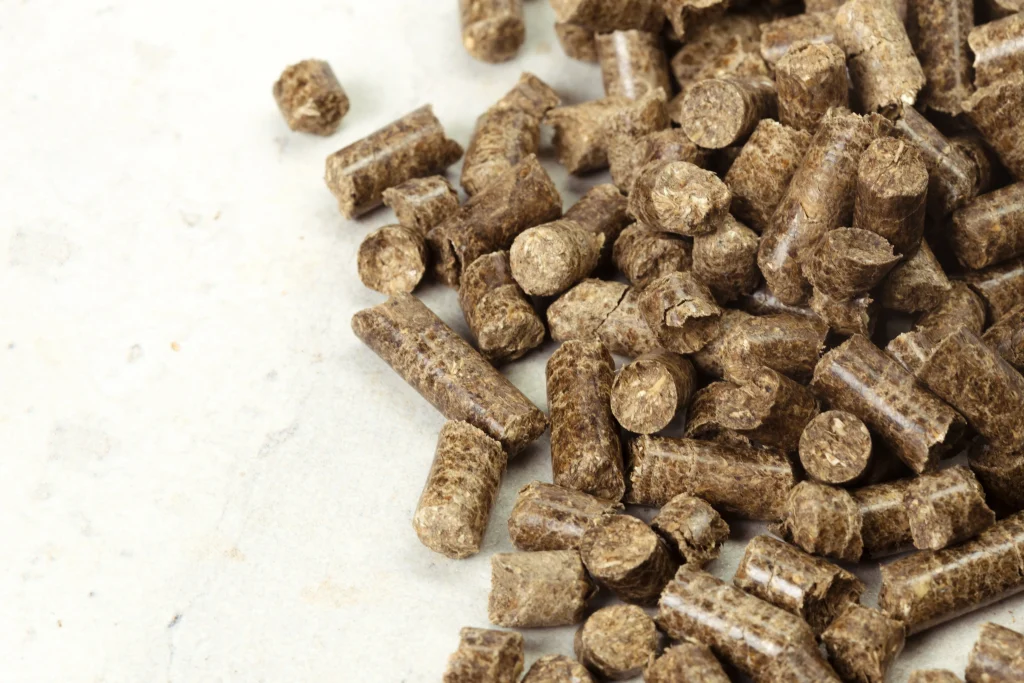
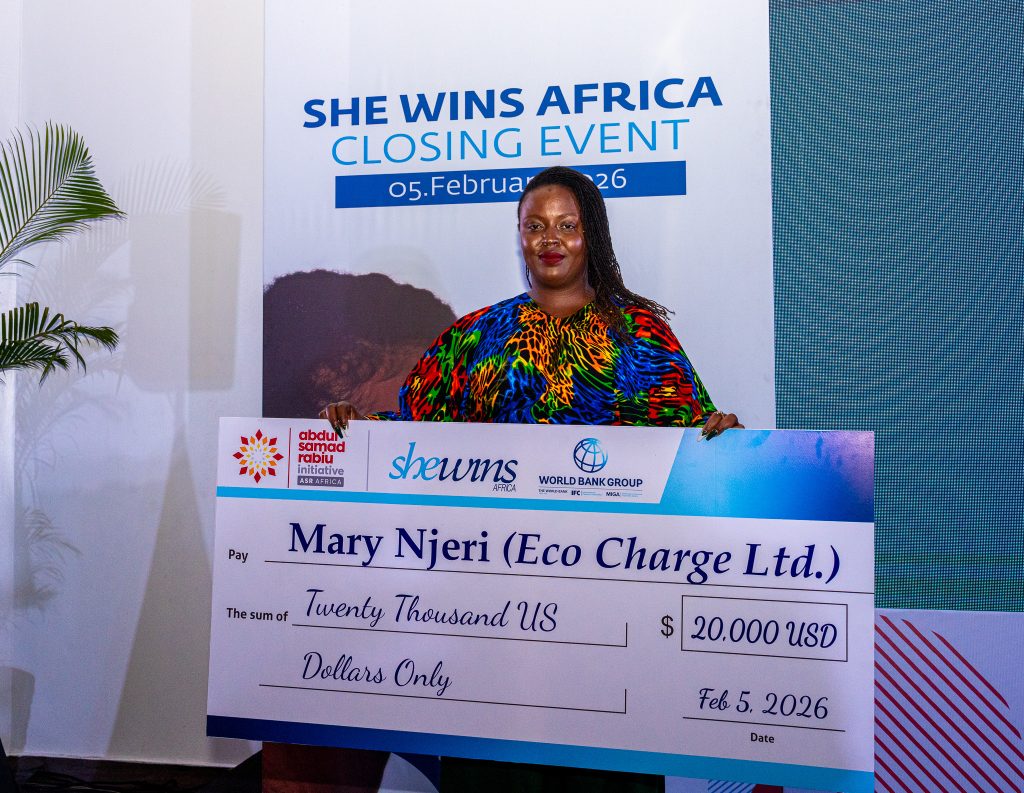
At Eco Charge Ltd, our approach to clean energy begins with the aggregation of agricultural and organic waste. By converting this waste into high-quality biomass briquettes, we reduce open burning and deforestation while providing a cleaner, more sustainable alternative to traditional fuels. This process not only mitigates carbon emissions and protects forests but also creates dignified green jobs for women and youth, fostering economic inclusion across local communities. Through this integrated model, we help institutions and households transition to affordable, reliable clean energy, ultimately accelerating Kenya’s shift toward a circular, climate-positive energy economy.
Our 5-Year Climate & Inclusion Commitment
By 2030, Eco Charge will:
• Aggregate 5,000 women suppliers
• Establish 20 women groups annually (50 women per group)
• Collect 48,000 metric tons of agricultural waste annually
• Expand into multiple counties
• Create 100+ direct green jobs
• Scale renewable energy access for institutional clients
Environmental Contribution
Through waste conversion and charcoal replacement, Eco Charge contributes to:
Forest preservation
Reduced carbon emissions
Circular economy development
Just energy transition
Partner With Us to Transform Waste Into Clean Energy
Join Eco Charge Ltd in creating sustainable livelihoods, reducing deforestation, and scaling renewable energy across Kenya.